

 Content Menu

 Search
 HOME
HOME
CSR
Why does JR-West operate its trains at decreased speeds or suspend operation even after the rain has stopped?
JR-West’s lines often include sections with embankments and natural slopes, which are more susceptible to rainfall compared with concrete slopes and other settings. Due to increased localization and intensity, heavy rains tend to last longer in recent years. When this considerably increased amount of rainwater is absorbed by natural slopes and tracks, the risk of the slope collapsing and of sediment inflow/outflow underneath is increased even after the rain has stopped. Trains operate at slower speeds or are suspended to prevent danger in such situations. JR-West’s wide area of operation also means that such delays may have a wider impact that affects other areas. Compared with other private railways, JR-West lines include extensive areas with embankments and natural slopes, further adding to the amount of time needed to resume normal
operations.
Even as we strive to enforce countermeasures, safe operation is our top priority. We appreciate your understanding in this matter.
Measures Against Rain Disasters
Disaster prevention slopes / Rockfall protection fencing
Based on accumulated records from inspections, JR-West has identified those slopes with steep cliffs and landslide-prone areas that call for countermeasures. Concrete disaster-prevention sloping construction, rockfall protection fencing, and other preventative measures have been adopted in these high-risk areas.
Depending on the situation, trains may operate at reduced speeds even after operation has resumed.
We appreciate your understanding.
-
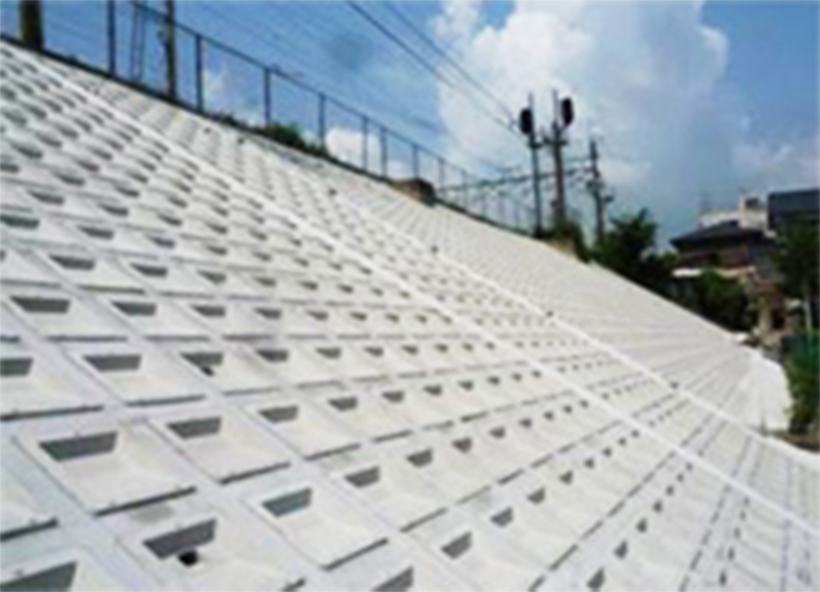
Concrete-reinforced slope -
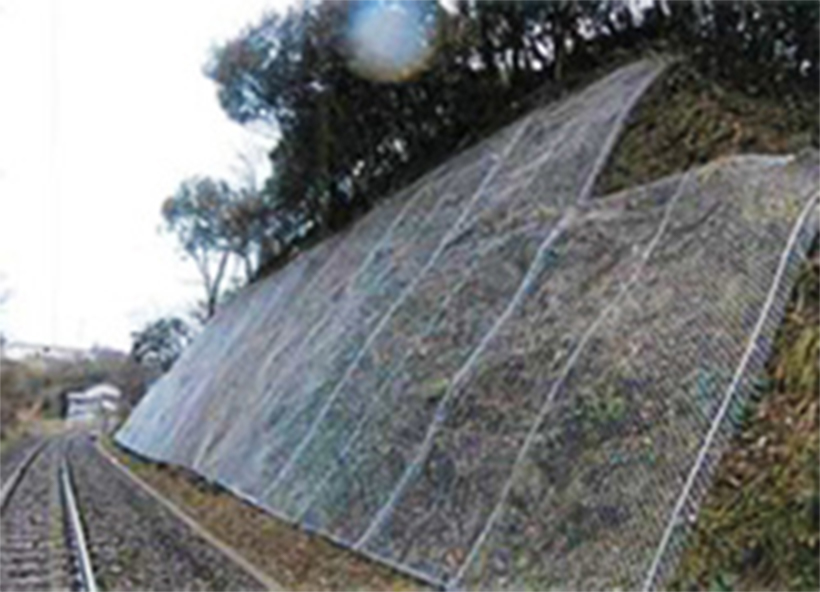
Rockfall protection fencing
Operation Resumption Flow Chart
 Rainfall reaches the regulation limit
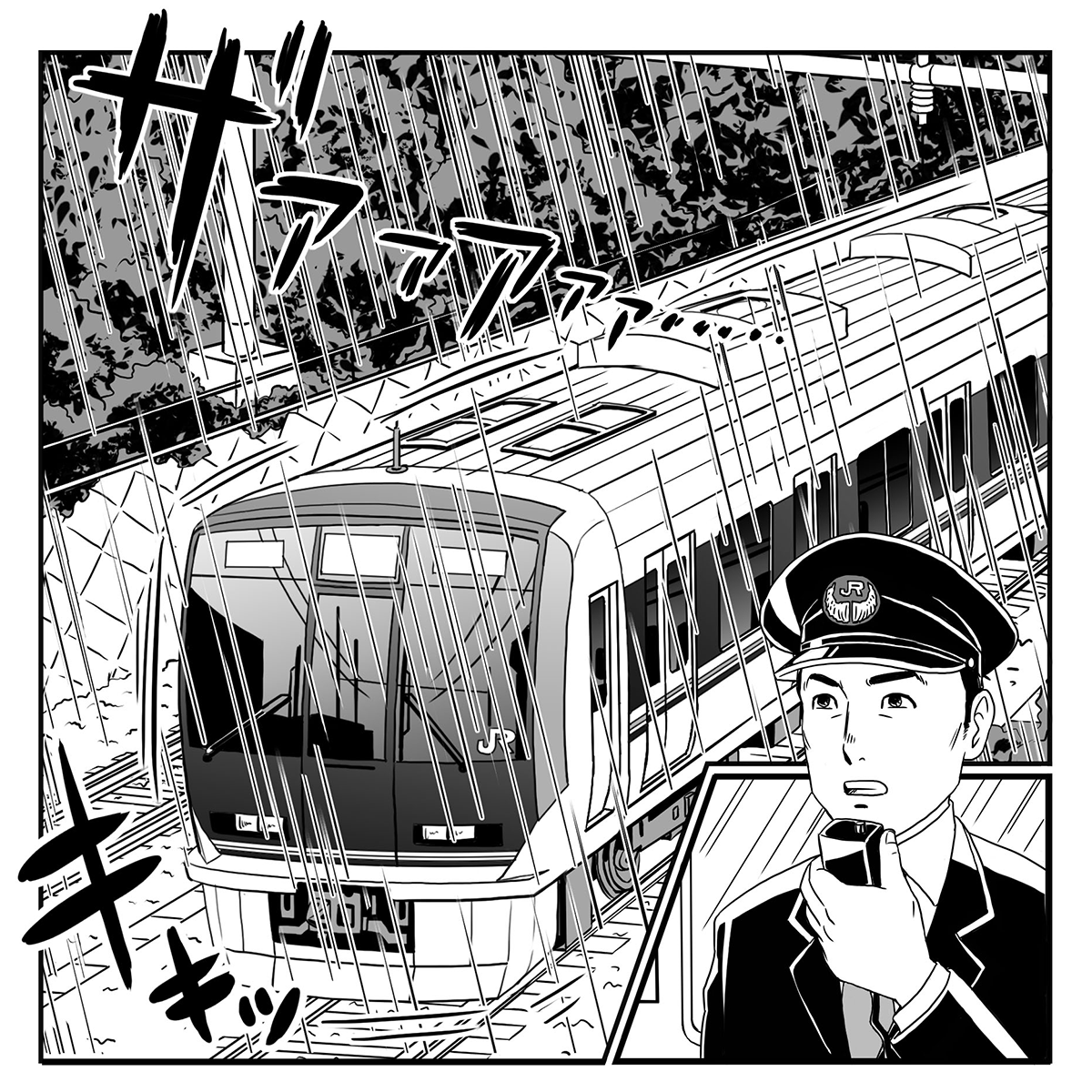
If the amount of rainfall reaches the specific regulation limit following heavy rain over a certain period or following continuous downpours over an extended period, a buzzer in the train operation control office alerts the operation director.
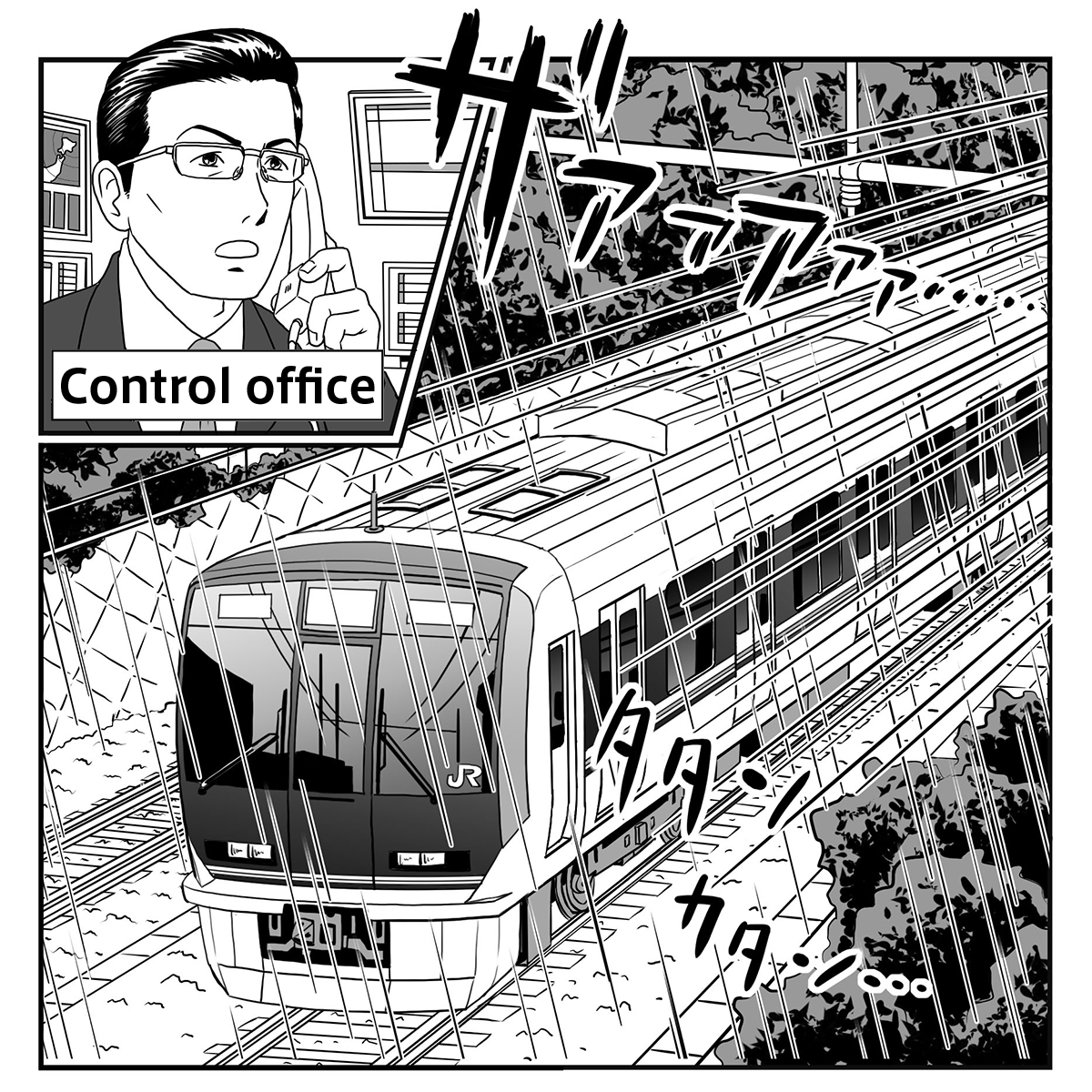
 Speed is reduced or operation is suspended for required sections
The regulation limit is the amount of rainfall at which the risk of the ground around the tracks collapsing or of inflow/outflow of sediment is heightened. Upon hearing the buzzer, the operation director instructs the driver of the train to slow down or discontinue operation. Trains will be operated at reduced speeds or suspended if water levels in rivers exceeds regulation limit from the water’s surface to the bridge’s girder.
 Rainfall drops below the regulation limit
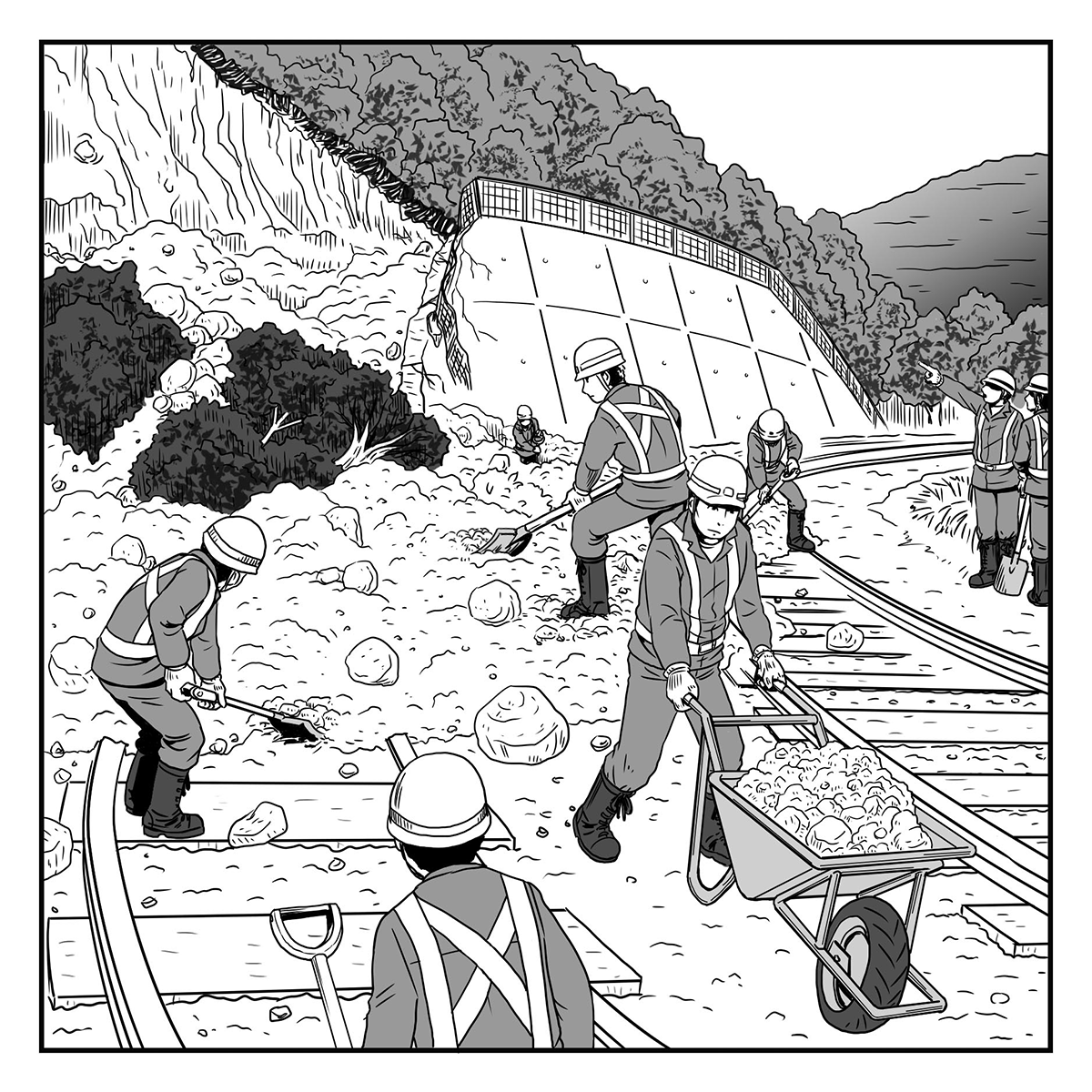
As the rain begins to subside and the rainfall amount drops below the regulation limit, inspection of the necessary sections by an engineering department official in charge of track maintenance is required.
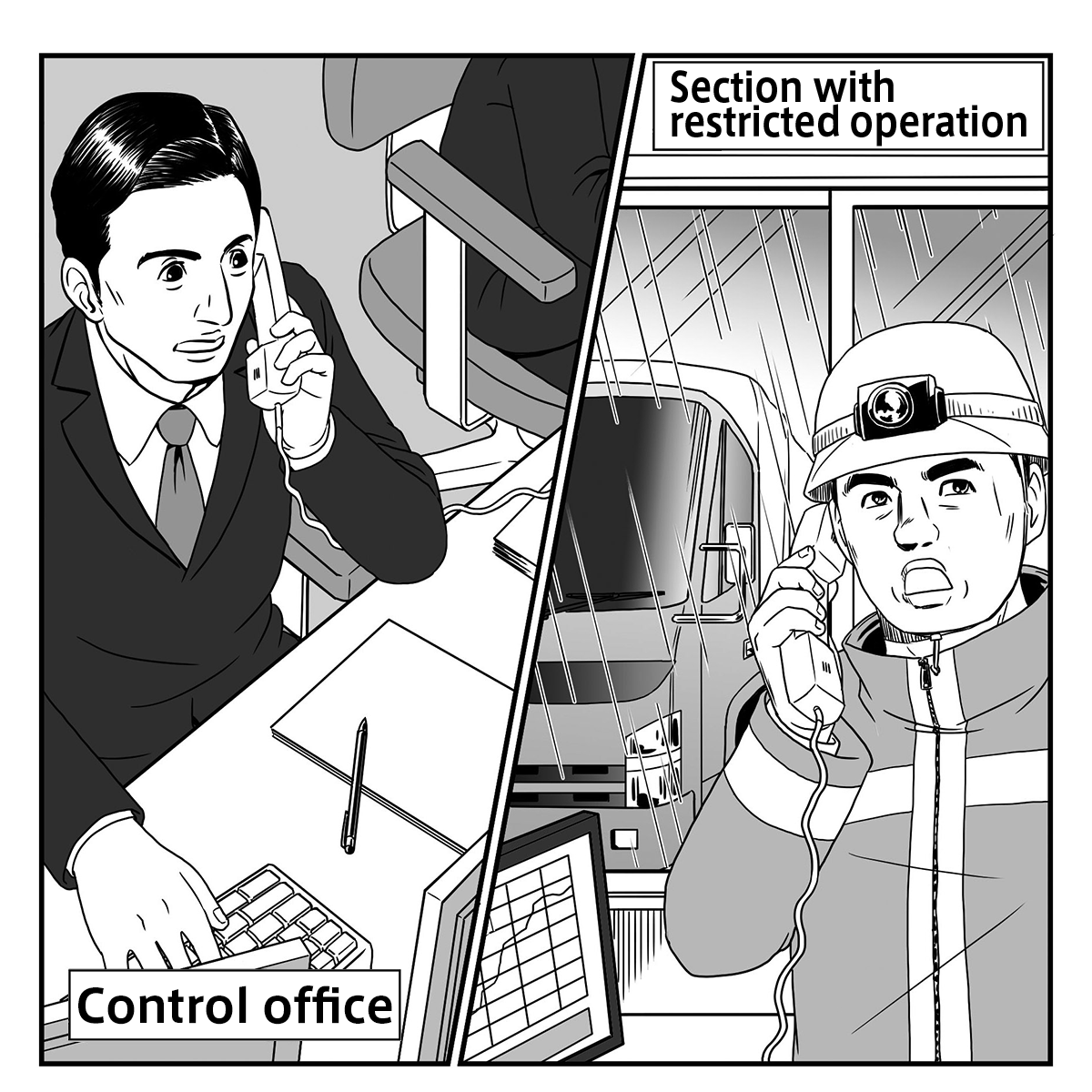
 Various inspections are performed
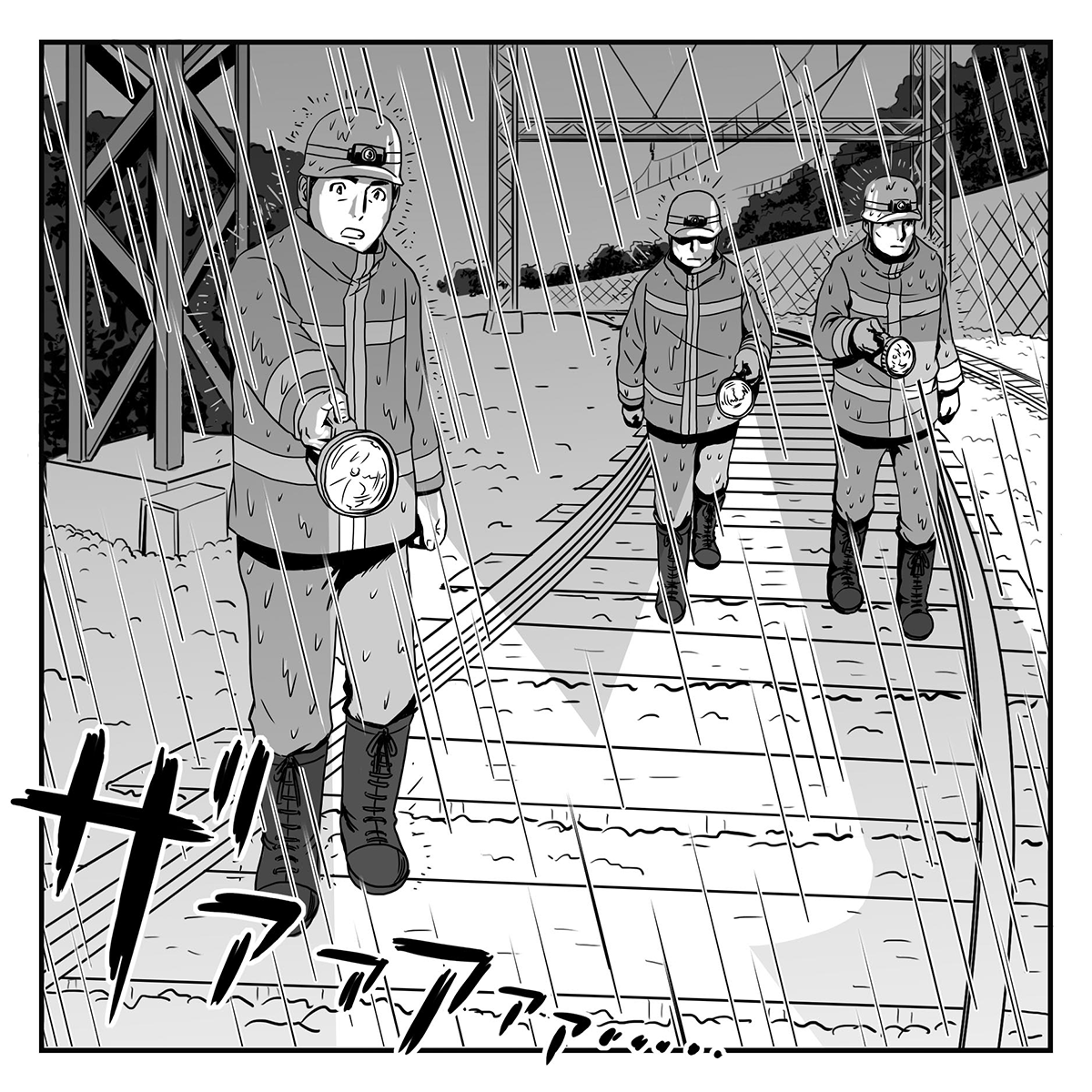
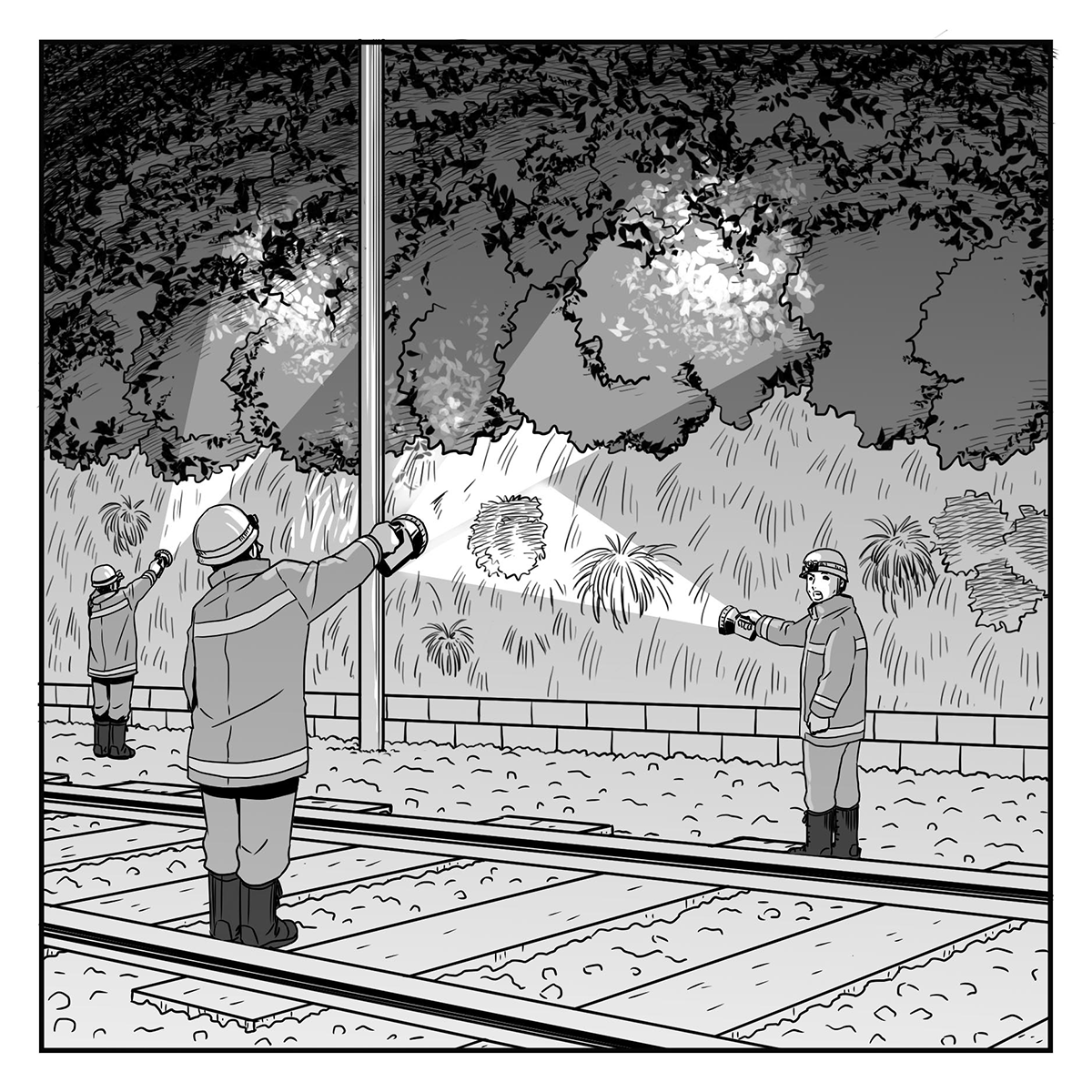
Railway staff inspect the tracks, slopes, and bridges to determine whether operation can be resumed.
In situations where rainfall continues for a long period and a considerable amount of rainwater is absorbed in the slopes and other areas around the tracks, the risk of sediment inflow/outflow is increased. As such, operation may be at a reduced speed or suspended even if the weather has normalized.
Example Inspection Types
- ・Walking inspection performed by staff in charge of track maintenance, etc.
- ・Inspection of track conditions
- ・Inspection for sediment inflow/outflow
- ・lnspection for the need of sandbags in preparation for potential sediment inflow/outflow
- ・Inspection of bridges
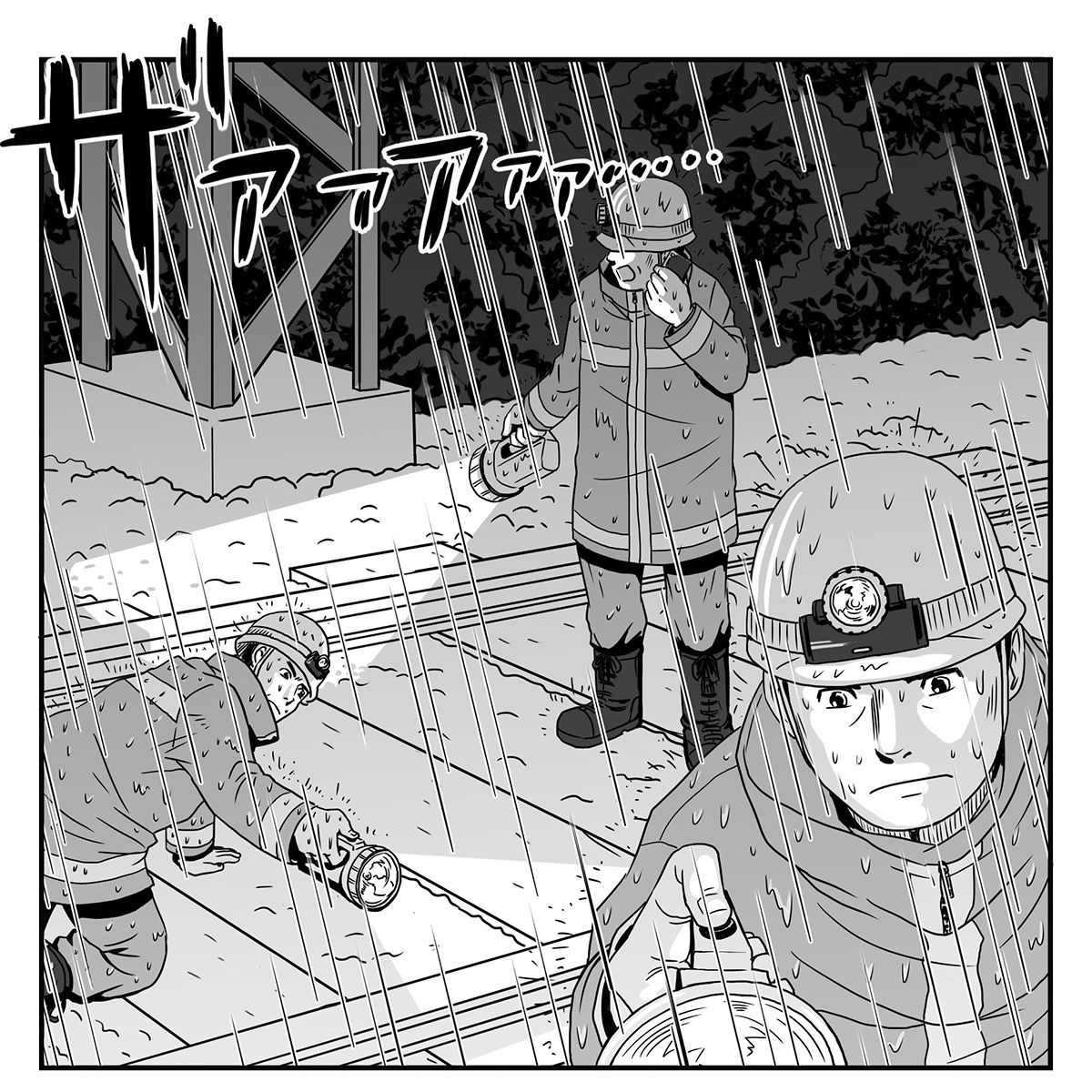
 Arrangements are made to restart operation
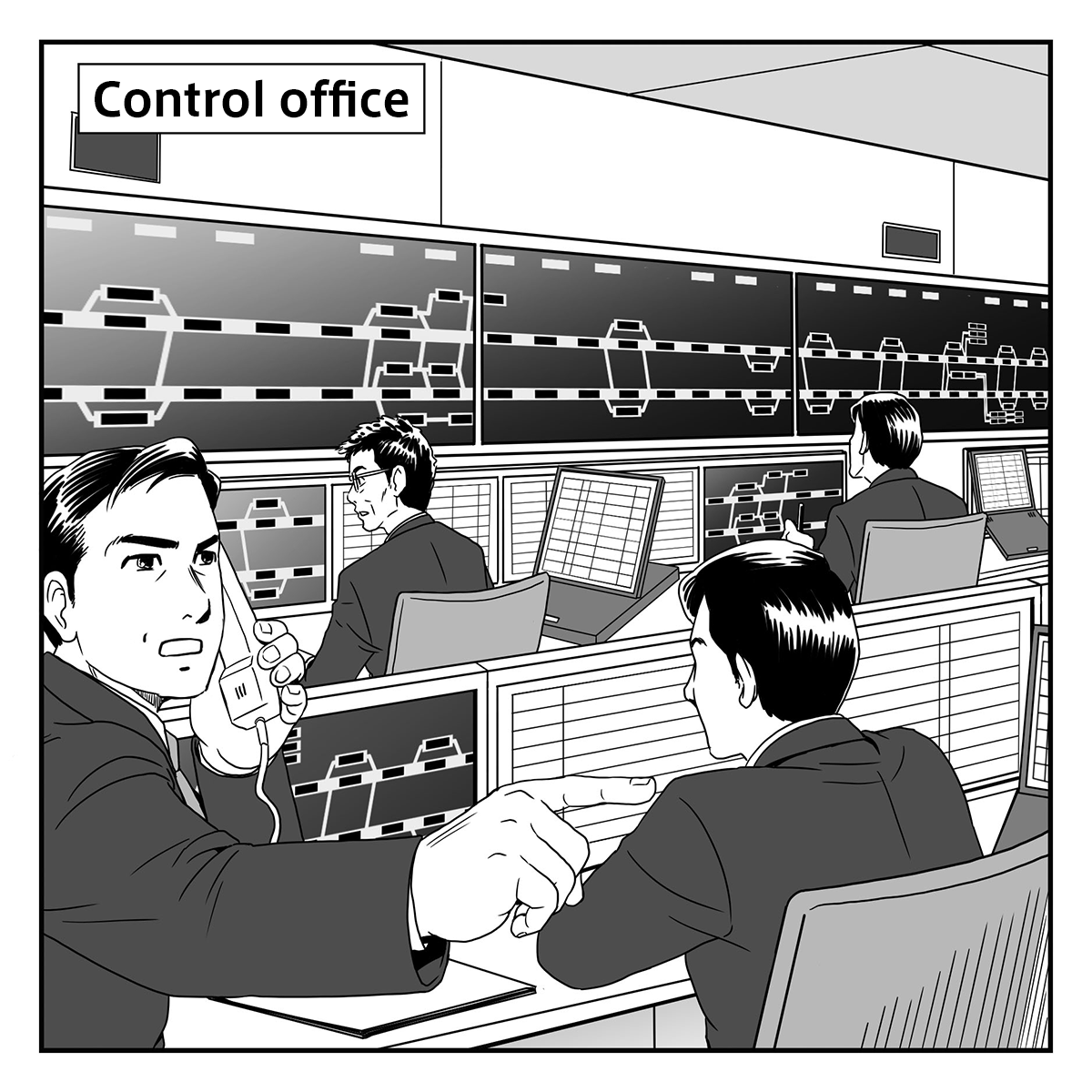
After an engineering department official completes inspection of the necessary sections and confirms that no abnormalities have occurred, they will contact the control office. The control office will then instruct the trains to resume operation while also providing the necessary information for train operation ordering and specific instructions for certain sections.
 Trains return to normal operation schedules
As train operation resumes, railway staff will strive to restore the normal operation schedule as quickly as possible. Situations where operation over a large area has been impacted, it may take the trains some time before the normal operation schedule is restored.
Depending on the situation, trains may operate at reduced speeds even after operation has resumed. We appreciate your understanding.